
TCU Voice Professor Explores Filipino Music Through International Residency
When TCU voice professor James Rodriguez heard students performing Filipino art songs during semester evaluations, he was struck by the music's beauty and a question: Why wasn't more of this repertoire available to singers in the United States?
That curiosity led Rodriguez to the Philippines for an international residency exploring Filipino vocal music, connecting with university musicians and building relationships that could expand opportunities for students.
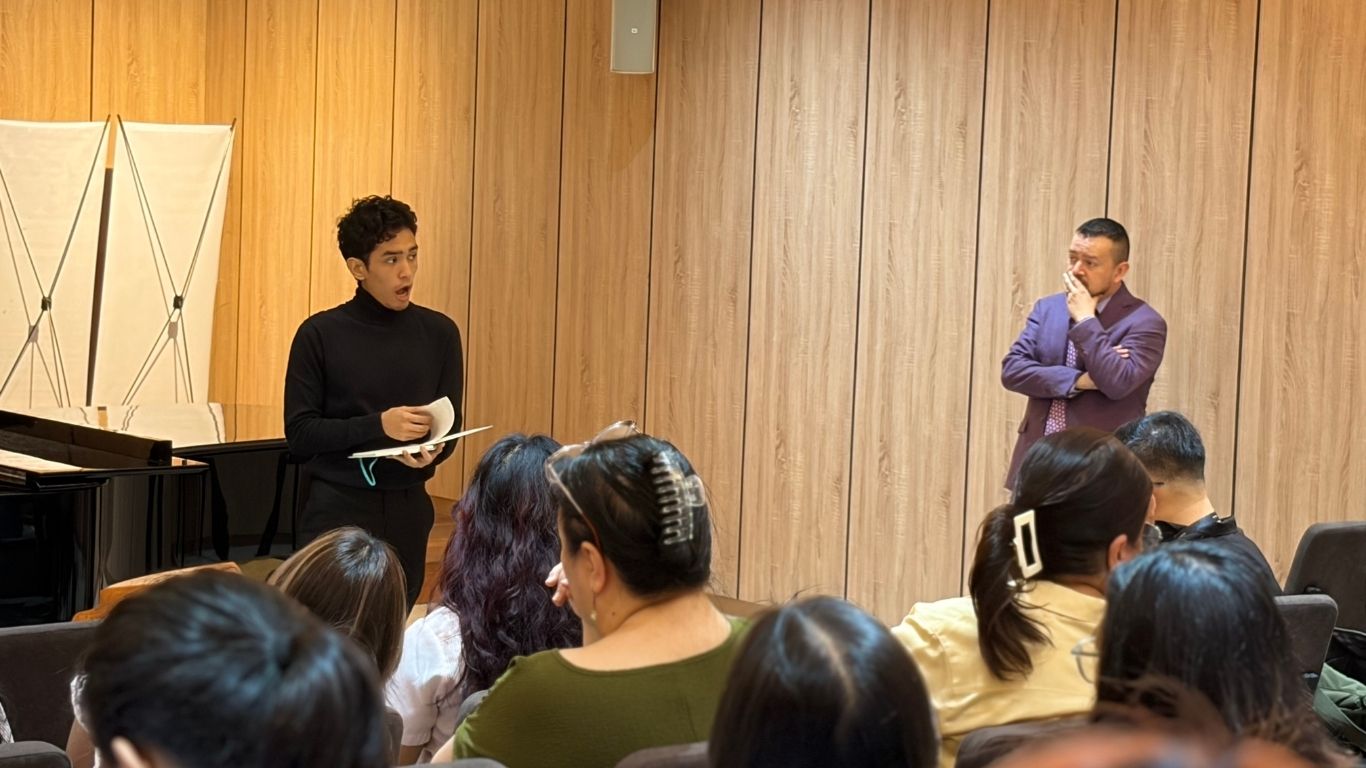
Supported by funding from TCU's School of Music and College of Fine Arts, Rodriguez visited four universities, leading vocal masterclasses, performing and introducing students to TCU's graduate music programs.
"The more Filipino students that we've had here and the more exposure I've seen for this, I was like, wow, this is really kind of an untapped resource..." Rodriguez said. "A lot of it is beautiful and appropriate for especially young undergraduate voices."
Discovering an Underrepresented Repertoire
Rodriguez's interest grew from hearing Filipino students at TCU perform works unfamiliar
to many faculty members. While the repertoire sparked interest, obtaining copies was
difficult because much of the music is not widely available through published collections
or American distributors.
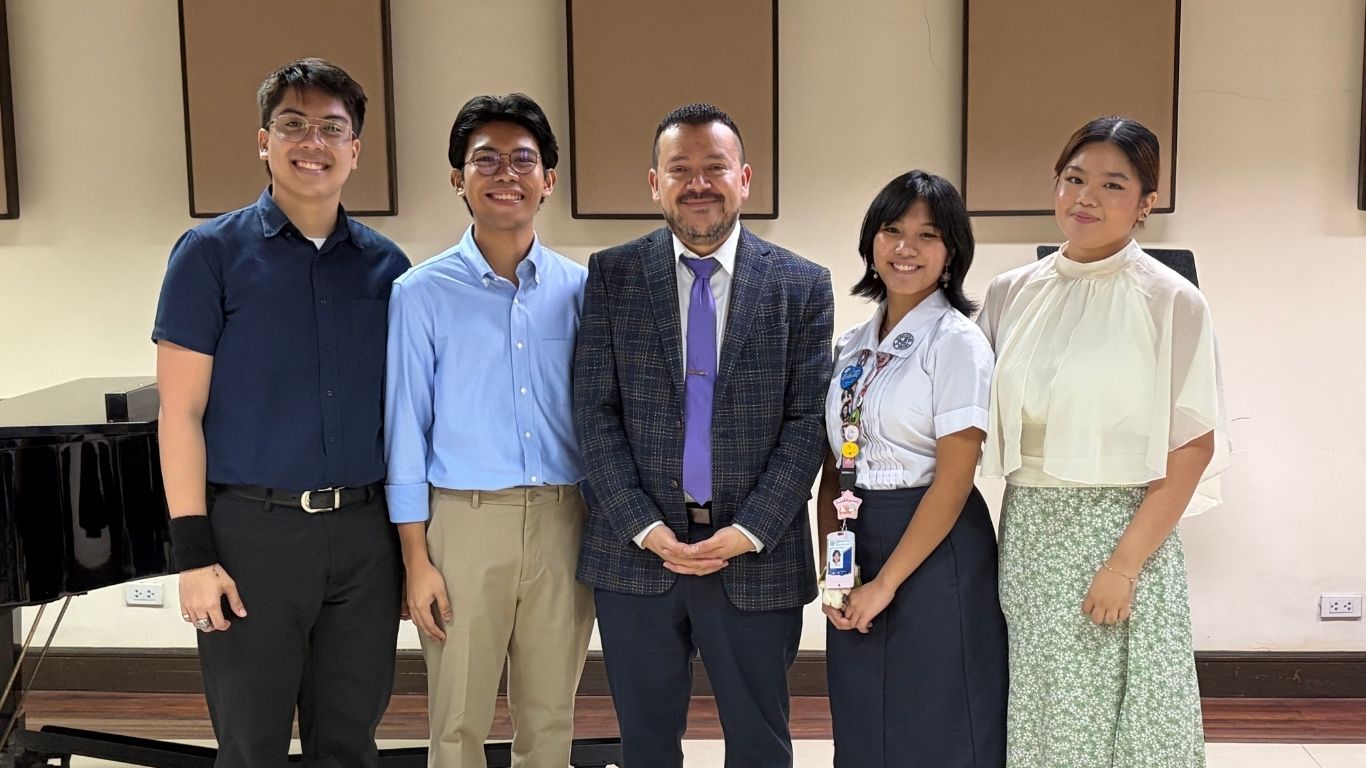
With help from longtime friend and fellow musician, Margarita Roco, Rodriguez arranged visits to four institutions, including the University of the Philippines. Throughout the week, he worked with singers, met with faculty and explored university music collections.
During a library visit, Rodriguez examined collections of Filipino art songs firsthand, gaining a better understanding of the challenges surrounding access and distribution.
His long-term goal is to collaborate with Filipino scholars and institutions to make more of this music accessible while developing teaching resources for singers at different stages of training.
"I'm interested in finding the repertoire, yes, but providing guidelines on how, what's appropriate for young voices, what's appropriate for like a developing voice, and what's appropriate for somebody who's professionally singing," Rodriguez said.
The project builds on his previous research highlighting underrepresented composers, including Black women and Latin American composers.
Bringing New Perspectives to TCU
Beyond exploring the repertoire, Rodriguez's residency introduced him to talented
young singers and new approaches to vocal education. The experience also reinforced
the importance of adapting instruction to musicians with different backgrounds and
learning styles
"Everybody learns differently," Rodriguez said. "We need to continue to evolve in our pedagogical practices to best suit students whether that's through a language barrier, whether that's somebody who's very talented but has limited musical development."
Rodriguez returned to TCU with several Filipino songs shared by colleagues, which he hopes to introduce into his students' repertoire. He also plans to continue building relationships with musicians and universities in the Philippines, creating opportunities for future research and collaboration.
"It's something that's missing and it should be included," Rodriguez said.