
‘There’s Nothing Like it’: PianoTexas Brings Global Talent to TCU Each Summer
For more than four decades, PianoTexas has drawn some of the world’s most promising pianists to Texas Christian University, creating a one-of-a-kind international festival that blends intensive training with professional performance opportunities. Founded in 1981 by TCU Professor of Piano Tamás Ungár, the program continues to attract applicants from across the globe, with recent participants representing more than 30 countries and dozens of U.S. states.
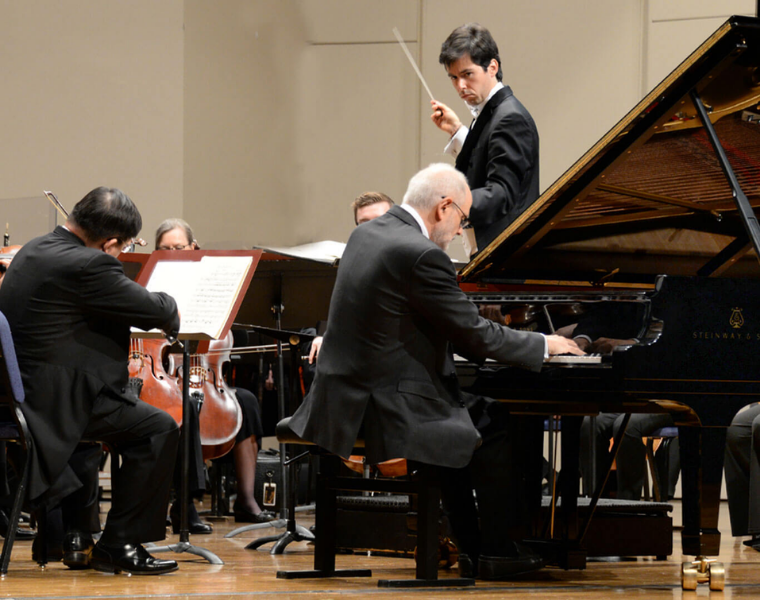
What sets PianoTexas apart is its unique structure. The festival includes three distinct programs — young artists, teachers and amateurs, and junior pianists — each designed to support musicians at different stages of their development. Despite their differences, all participants share a rare opportunity: the chance to compete for and perform a concerto with the Fort Worth Symphony Orchestra.
“There’s nothing like it,” Ungár said. “Nowhere else do you have this kind of access to a professional orchestra at such a high level.”
Admission to PianoTexas is highly competitive, with participants selected through a blind review process by an international panel of distinguished artists and educators. Once on campus, students enter an immersive environment filled with daily masterclasses, recitals and discussions that mirror the demands of a professional music career.
“We wanted to bridge the gap between university study and the profession,” Ungár explained. “Students learn not only how to play, but what it truly means to be a professional musician.”
That experience extends beyond technical training. Participants perform frequently, receive feedback from renowned guest artists and leave with professional recordings and media materials to support their careers. Alumni of the program have gone on to win major international competitions and secure positions at leading universities and institutions around the world.
PianoTexas also fosters a broader sense of community, welcoming not only emerging professionals but also dedicated amateurs — individuals from fields such as medicine, law and scientific research — who pursue music at a high level.
“They come here because of their passion,” Ungár said. “It becomes a goal they work toward all year.”
As the festival continues to grow, it remains a distinctive part of TCU’s global presence in the arts — bringing together a diverse community of musicians, elevating performance standards and offering an experience that is, in Ungár’s words, “unlike anything else in the world.”