
TCU Launches New Commercial Dance Minor
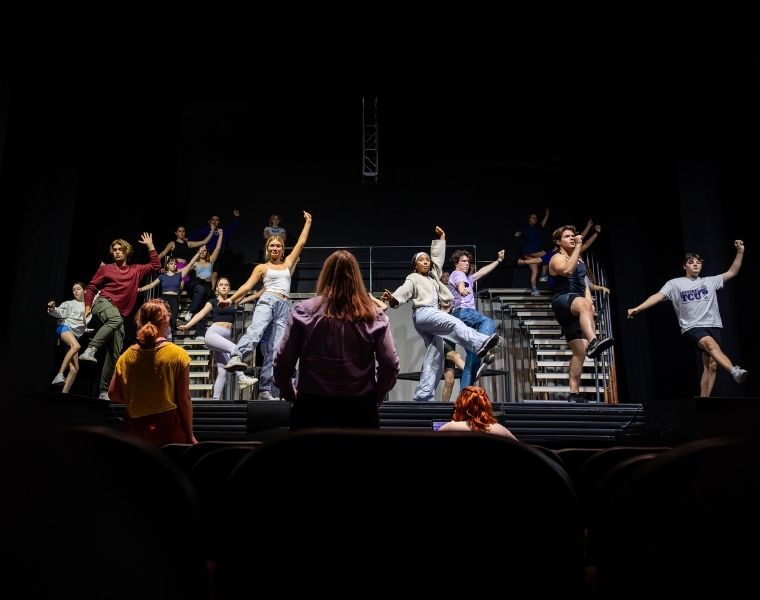
This fall, TCU launched a new Commercial Dance minor, developed collaboratively by the Department of Theatre and the School for Classical & Contemporary Dance to prepare students for careers in today's evolving musical theatre and commercial dance industry.
Open to students across the university, the minor complements existing degree programs by focusing on the styles and skills most commonly used in commercial performance. Coursework emphasizes genres such as hip-hop, heels and international dance forms while also exploring how choreography translates to film, television, live entertainment and digital media. Admission is by audition to ensure students are prepared for the physical demands of the curriculum.
Meeting Industry Demand
The program grew from conversations with prospective students, particularly those
interested in musical theatre, who sought more intensive dance training beyond what
their degree plans offered.
"One of the things I kept hearing over and over in recruitment was that students wanted more dance training," said Jennifer Engler, professor of theatre. "We realized a commercial dance minor would give students exposure to styles they weren't already studying while preparing them for the kinds of work they're most likely to encounter professionally."
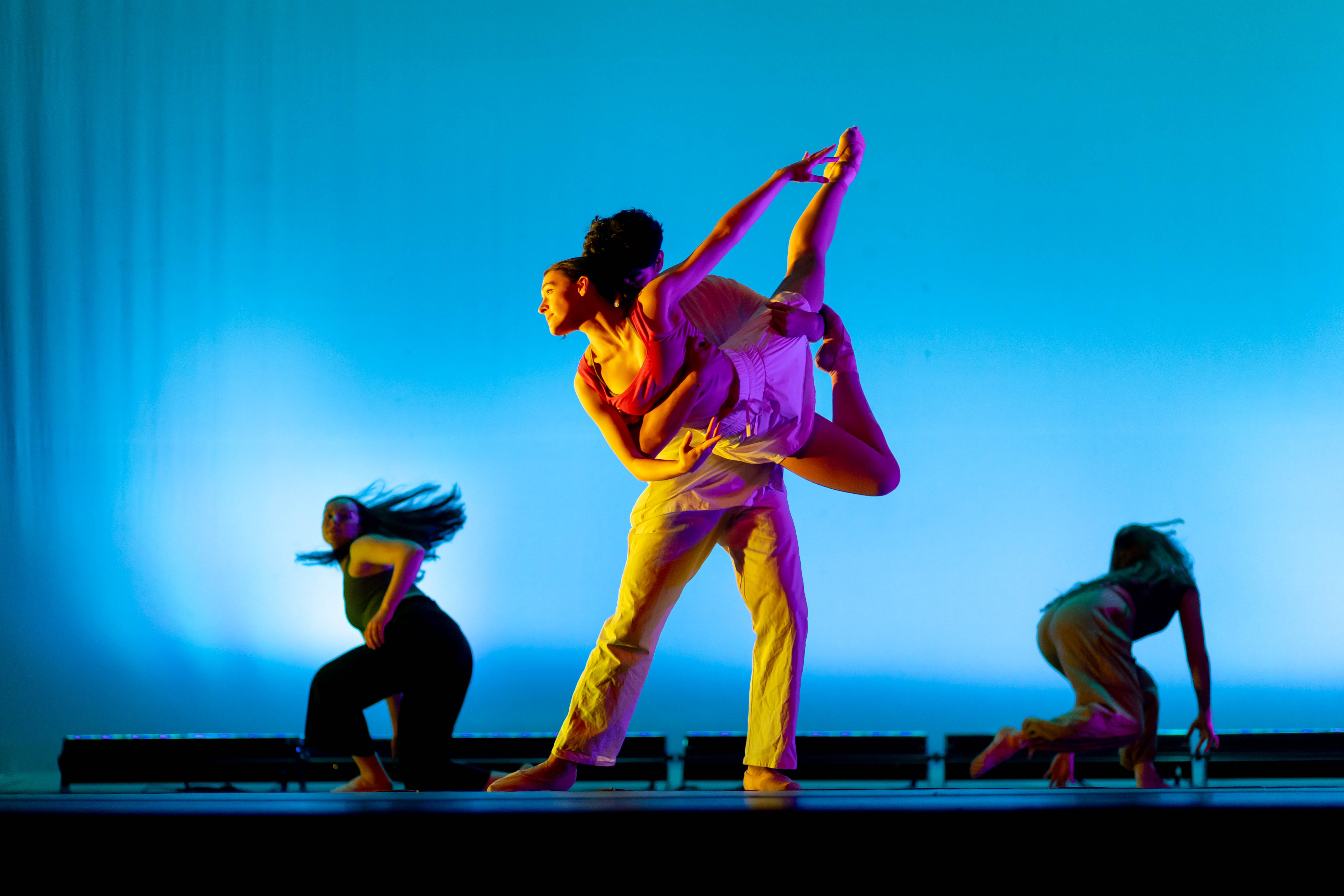
Unlike traditional ballet or modern dance training, the new minor focuses on the commercial entertainment industry, where dancers perform in national tours, concerts, commercials, live events and televised productions. Students will also learn how to adapt movement for the camera, gaining experience with the techniques and storytelling unique to film and digital media.
Sarah Newton, interim director of the School for Classical & Contemporary Dance, said the minor reflects the growing demand for versatile performers across the entertainment industry.
"There are so many career opportunities in commercial dance," Newton said. "Commercial
dance is all over the internet, television, film and beyond. It's exciting to prepare
students for meaningful work in an industry where dance reaches people every day."
Preparing Versatile Performers
Students pursuing the minor will take additional dance coursework each semester, building
technical proficiency while exploring a wider range of styles than those traditionally
offered through performance degrees. Engler also hopes to connect students with guest
artists and dance professionals through master classes, including performers from
touring Broadway productions.
By combining diverse dance styles with training for both live and filmed performance, the Commercial Dance minor equips students with the versatility needed for careers across today's evolving entertainment industry.